Mardin Dara Ancient City
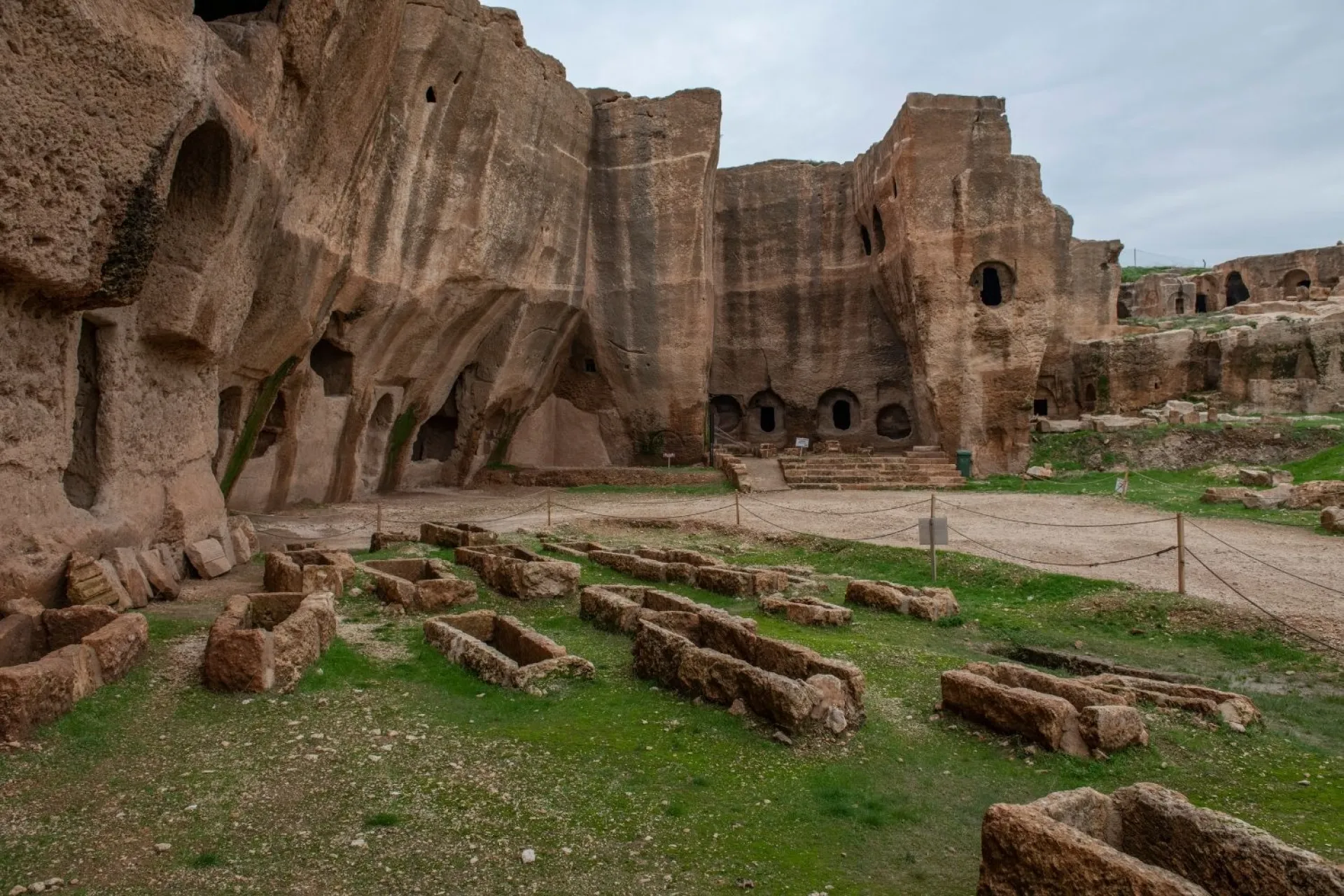
Picture yourself gazing up at massive fortress walls that reached 29 meters into the sky. This breathtaking sight greets visitors at Mardin Dara Antik Kent, an ancient military stronghold 30 kilometers southeast of Mardin city. The Eastern Roman army built this magnificent fortress in 505 AD, positioning it just 7 kilometers from today's Syrian border.
The city's remarkable 4-kilometer fortification walls showcase the architectural prowess of Emperors Anastasius I and Justinian I's era. These walls witnessed countless sieges and battles throughout history. A stretch of 2.8 kilometers still stands proudly today, reminding us of the city's military legacy. Dara's location made it a vital point along the Silk Road, where it served dual roles - a military garrison and a vibrant trading center that attracted caravans from Mesopotamia.
Let me walk you through this incredible archeological wonder. This piece covers everything from practical visiting tips to unmissable attractions and perfect photo opportunities you'll find here in 2024.
Essential Guide to Dara Antik Kent
A trip to Dara Antik Kent needs good planning to make the most of your visit. This archeological gem lies in Oğuz Village, about 30 kilometers southeast of Mardin. The site spreads across several locations, so smart transportation planning creates a better experience.
Getting to Dara takes some thought. Your own car gives you the most flexibility with just a 30-minute drive from Mardin's city center. Public transport options are limited, but you can catch a daily minibus (dolmuş) from Mardin's minibus station every day except Sundays. A taxi works well too - budget around 500-700 Turkish Lira for a half-day trip.
The right timing makes a big difference. The site stays open six days a week but closes on Mondays. Opening hours change with seasons:
Summer (April 1 - October 1): 8:30 AM - 6:00 PM
Winter (October 1 - April 1): 8:00 AM - 5:00 PM
Spring and fall give you the best weather to explore Dara. May temperatures hover around 24°C, perfect for walking the extensive grounds. Summer heat can reach 40°C, so pack your sunscreen and hat. Fall brings welcome relief with temperatures dropping from 35°C in September to 19°C in November.
Good news for budget travelers - entry to all areas of Dara is free. You'll find small restaurants near the Necropolis, Western Cistern, and Zindan. Most visitors spend 1-2 hours to see everything. Photographers should aim for morning visits to catch the best light.
Note that information boards are mostly in Turkish. Reading up on the site beforehand helps you appreciate its history better. The site sits just 7 kilometers north of Syria's Amuda, but tourists can visit safely - just keep your ID handy.
Main Attractions at Dara
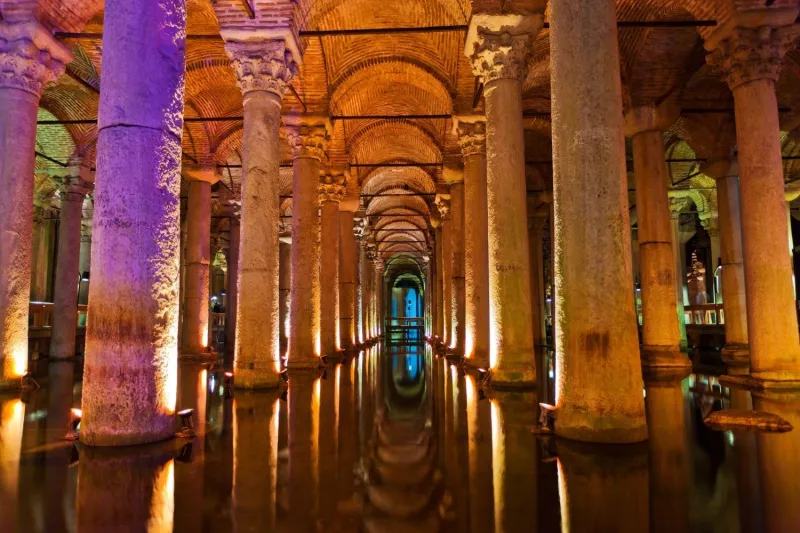
Dara's architectural brilliance shines brightest in its remarkable water management system. The city's crown jewel, a massive water cistern, stands 15 meters high and holds an impressive 10,000 cubic meters of water. This engineering marvel runs 6 meters deeper than the famous Basilica Cistern in Istanbul.
The city's reliable water infrastructure has ten parallel chambers. Each chamber stretches 50 meters long and 4 meters wide. Barrel vaults cover these chambers, showcasing Roman engineering at its finest. Engineers have found a 1,500-year-old drinking water canal that adds another dimension to this sophisticated system. Two tons of stones protected this channel, which distributed water through an advanced cement pipe network.
A fascinating ancient necropolis extends half a kilometer from the western perimeter wall. Archeologists have identified more than 200 tombs of three distinct types. These range from 6th-century rock-cut tombs to sarcophagi from the 6th-8th centuries, and simple cist-tombs dating from the 8th-14th century.
The city's fortification walls stand as proof of ancient military architecture. These impressive structures once stretched 4 kilometers, built with smooth-cut stones on both sides. Today, 2.8 kilometers of these walls remain visible, with 28 towers placed at strategic points. The walls measured between 3.70-3.80 meters wide and reached heights up to 15 meters.
The agora marketplace continues to yield archeological treasures, with more than ten shops already unearthed. Archeologists have found various structures beneath these shops. Water channels connect to the main water canal, serving a bustling commercial hub that supported roughly 40,000 residents.
Six main gates protected the city - four faced the cardinal directions while two specialized water gates managed water flow. These water gates stood where the Cordis River entered and left the city. They featured sophisticated double iron portcullis systems, highlighting Dara's mastery of both security and water management.
Photography Tips and Viewpoints
The best shots of Dara come from smart timing and the right spot. This archeological wonder gives photographers plenty to work with, especially in the golden hours. The stones take on an otherworldly glow in the early morning light. The late afternoon sun creates long shadows that show off the building details beautifully.
The massive water cistern, which goes down 35 meters, makes a great starting point. Light and shadow play creates stunning scenes inside, particularly when sunbeams peek through the openings. A stone-paved street runs 45-50 meters north, perfect for framing your shots. The 5.80-meter-wide avenue and its western portico show village life's daily rhythm.
Since key photo spots are spread far apart, you'll need a solid plan. The desert heat makes walking tough between locations. A driver can help you move between spots quickly, so you spend more time shooting and less time finding your way.
Near the Agora, nine workshops and six connected homes tell their own story. These buildings, which line up from north to south, let you capture the site's architectural rise through your camera.
You'll need about three hours to get a full picture. Notwithstanding that, the Necropolis area is worth extra time if it's available - its rock-carved tombs offer one-of-a-kind shots.
The site never closes, but midday heat isn't your friend. Here are the prime times to shoot:
Dawn: First light makes the ancient stones glow
Golden Hour: The setting sun paints the ruins in warm colors
Blue Hour: Deep sky blues create perfect contrast with old structures
The village's hidden cisterns often lead to unique shots away from tourist spots. Weather plays its part too - clear skies highlight architectural details, while clouds add drama to landscape shots.
Conclusion
Dara's ancient walls amaze me even today, as this 6th-century military stronghold continues to tell its remarkable story. Time has weathered these stones, yet the site's engineering marvels showcase Roman ingenuity. The sophisticated water management system and impressive fortification walls stand as testament to their brilliance.
My time at Dara taught me that careful planning makes all the difference. The massive water cistern and ancient marketplace photographs best during early morning visits when temperatures remain comfortable. Visitors can enjoy free entry to this excellent addition to any Mardin itinerary. The site remains closed on Mondays.
Archeological treasures scattered across Oğuz Village need at least two hours to explore properly. The intricate tomb carvings in the necropolis and the 15-meter-high water cistern captivate visitors, while each corner of Dara reveals fascinating details that await discovery.
Dara Antik Kent ranks among Turkey's most underappreciated archeological sites, and with good reason too. The site's military architecture combines with water engineering and daily life structures to showcase ancient urban planning. Such well-preserved remnants of civilization rarely exist in this condition.